

Introduction to Blockchain, Cryptocurrency & Bitcoin
By MUMBCC Research Team
Blockchain is a distributed digital ledger which is shared across many computers and where transactions are recorded securely and permanently.
1. What Is Blockchain? - A Decentralized Digital Ledger
Blockchain is a distributed digital ledger which is shared across many computers and where transactions are recorded securely and permanently.
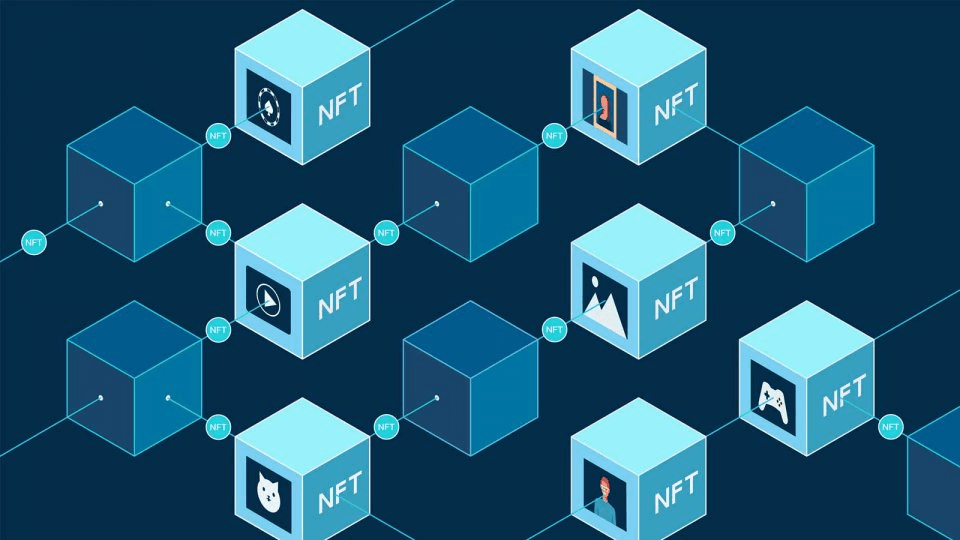
How it works?
Transactions are grouped into blocks
Each block links to the previous one
Forms a continuous chain of records
Changing one block breaks the chain
Core Features
1. Decentralization: No single authority controls it
2. Transparency: Transactions are publicly verifiable
3. Immutability: Records cannot be changed once confirmed
Evolution Beyond Bitcoin
In 2015, Ethereum expanded blockchain functionality by introducing:
- Smart contracts
- Programmable agreements
- Decentralized applications (DApps)
Blockchain evolved from digital money infrastructure → to programmable digital infrastructure.
Source: https://ethereum.org/whitepaper/
2. The Foundation Problem - Why Was Blockchain Created?
The Trust Problem
Before blockchain, digital systems relied heavily on centralized authorities such as:
- Banks
- Governments
- Payment processors
· Large technology platforms
However, this model created structural weaknesses.
Problems With Centralization
1. Single Point of Failure: If the central system fails, the entire network stops. It is vulnerable to cyberattacks and outages
2. Trust Dependency: Users must trust institutions to act honestly, but records can potentially be altered or manipulated
3. High Costs & Inefficiency: Intermediaries increase transaction fees and the cross-border payments are slow
4. Financial System Crisis (2008): Loss of public trust in banks and exposure of systemic risks
Source: https://rpc.cfainstitute.org/research/financial-analysts-journal/2010/slapped-by-the-invisible-hand

The Breakthrough Idea
In 2008, Satoshi Nakamoto proposed a peer-to-peer electronic cash system that:
- Does not require a central authority
- Uses cryptography to secure transactions
- Replaces institutional trust with mathematical verification
This led to the launch of Bitcoin in 2009.
Source: https://bitcoin.org/bitcoin.pdf

3. What Is Cryptocurrency? - Digital Assets Secured by Cryptography
Cryptocurrency is a digital or virtual currency that uses encryption to secure transactions and operates on blockchain networks.
Key Differences from Traditional Money:
Not issued by a central bank
Peer-to-peer transactions without intermediaries
Transactions are verified by a network of participants
Primary Uses:
Medium of exchange (like money)
Store of value (like gold)
Utility within blockchain ecosystems (e.g., paying fees, voting, staking)
Popular Examples:
Bitcoin (BTC)
Ethereum (ETH)
Ripple (XRP)
Solana (SOL)
Source: https://www.raisin.com/en-gb/fintech/what-is-cryptocurrency/
4. What Is Bitcoin? - The First Successful Cryptocurrency
Overview:
Introduced in 2008 by Satoshi Nakamoto, launched in 2009
First digital currency to successfully solve the double-spending problem without a central authority
Design Goals:
Enable peer-to-peer electronic cash
Remove reliance on banks and intermediaries
Maintain security and trust through consensus mechanisms
Key Features:
Fixed supply of 21 million coins (As of Dec 17, 2025, 19.96 million BTC have been mined)
Public and transparent blockchain ledger
Security through Proof-of-Work (PoW) consensus
What Is Bitcoin Halving?
Bitcoin Halving is a programmed event that happens about every four years in the Bitcoin network.
During a halving, the reward that miners receive for creating new blocks is reduced by 50%. This slows down the creation of new Bitcoin.
Mining Reward History
Year
Block Reward
2009
50 BTC
2012
25 BTC
2016
12.5 BTC
2020
6.25 BTC
2024
3.125 BTC
Why Bitcoin Halving Exists
Controls inflation
Makes Bitcoin scarcer over time
Helps maintain Bitcoin’s long-term value
First Bitcoin Transaction
Satoshi sent 10 Bitcoins to Hal Finney on 12 January 2009 to prove Bitcoin worked.
It proved that Bitcoin’s peer-to-peer system worked - allowing digital money to be sent securely without a bank.
First Real-World Bitcoin Purchase : Laszlo Hanyecz Buys Pizza (2010)
On May 22, 2010, a programmer named Laszlo Hanyecz made the first real-world commercial transaction using Bitcoin.
He paid 10,000 BTC
In exchange for two pizzas
From a Papa John’s store
The deal was arranged on the BitcoinTalk forum.
At the time, 10,000 BTC was worth about $41 USD.
Source:
Bitcoin: A Peer-to-Peer Electronic Cash System
https://www.investopedia.com/tech/what-happens-bitcoin-after-21-million-mined/
https://www.guinnessworldrecords.com/world-records/696240-first-commercial-bitcoin-transaction
https://www.guinnessworldrecords.com/world-records/696243-first-bitcoin-transaction
https://www.investopedia.com/bitcoin-halving-4843769

5. Why It Matters Today - Blockchain Beyond Bitcoin
Blockchain technology extends far beyond cryptocurrency. It allows trust without intermediaries, enabling many modern applications:
Applications Include:
Decentralized Finance (DeFi): Borrowing, lending, and trading without banks
Digital Art (NFTs): Verifiable ownership of digital assets. Exp: OpenSea popularized NFT trading. Source:
https://medium.com/@jackjill7659/opensea-nft-marketplace-trends-2025-2ae7f1a73f6c
Supply Chain Tracking: Transparent tracking from production to delivery. Exp: IBM develop blockchain-based tracking systems. Source: https://www.food-safety.com/articles/5970-ibm-launches-blockchain-food-traceability-platform
Digital Identity: Secure, verifiable personal identification
Key Takeaways:
People can interact directly, without banks or big corporations
Agreements can be automated through smart contracts
Transactions are transparent, secure, and tamper-resistant